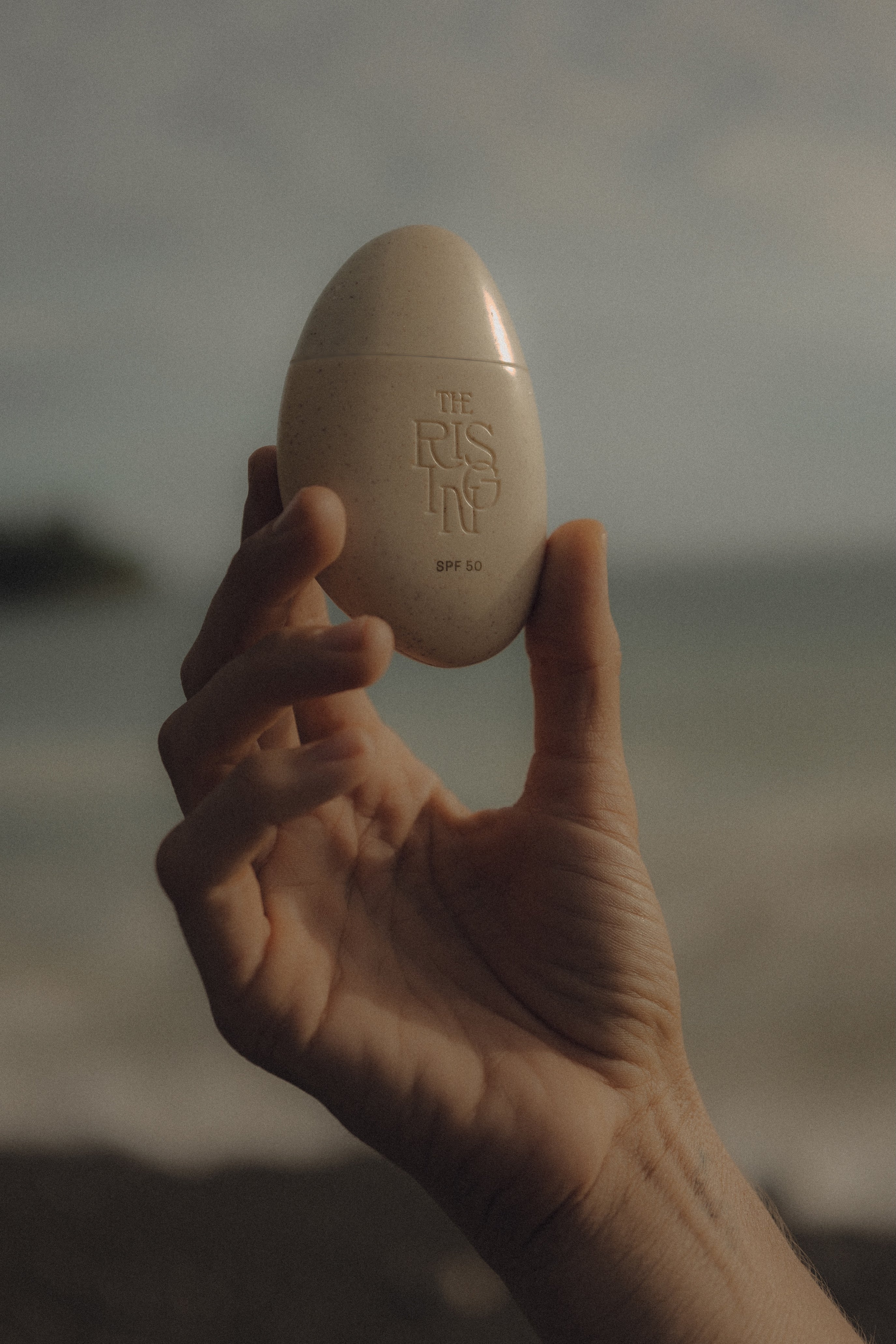
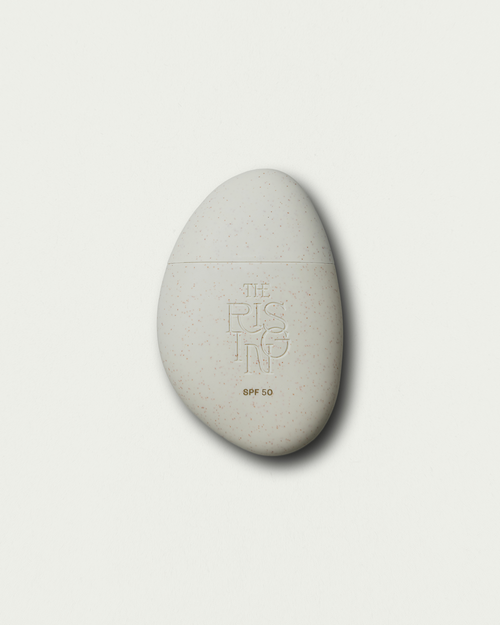
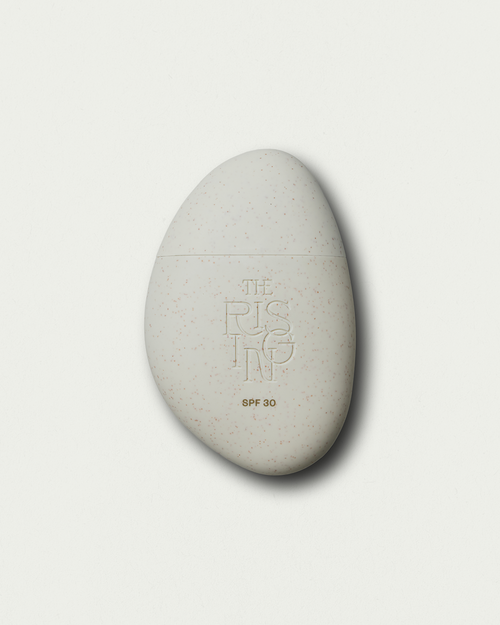
It smells amazing, like citrus, very fresh and subtle. It leaves the skin very soft and soothed.
I really liked it. It has a light but hydrating texture. It leaves a very pretty glow. It's very good for my sensitive skin.

A chemical UV filter linked to hormone disruption and coral reef damage. Banned in Hawaii and other regions.
Synthetic organic UV filters not approved in the US and with limited long-term safety data.
One of the most concerning chemical filters — detected in blood, urine and breast milk. A known endocrine disruptor.
A chemical UV filter that may penetrate the skin and has shown potential hormonal activity in studies.
Detected in human blood at concentrations above safe limits. Under review by the FDA for safety concerns.
A chemical UVB filter that may generate free radicals upon UV exposure, potentially increasing oxidative stress.
Breaks down into benzophenone — a potential carcinogen — over time. Found in human tissue and aquatic environments.
Unstable without stabilisers, degrades in sunlight and may generate reactive oxygen species on the skin.
Aggressive surfactants that strip the skin barrier, cause irritation, and disrupt the microbiome.
Preservatives linked to hormonal disruption. Detected in human tissue and under increasing regulatory scrutiny.
Plasticisers used in synthetic fragrance. Associated with endocrine disruption and developmental concerns.
May be contaminated with 1,4-dioxane, a probable carcinogen. Used as emulsifiers and penetration enhancers.
Slowly release formaldehyde into the formula — a known carcinogen and sensitiser.
Short-chain alcohols like denatured alcohol disrupt the skin barrier and accelerate moisture loss.
Synthetic dyes serve no skin benefit and are common sensitisers, particularly in leave-on formulas.
Persist in marine environments and have been detected in human blood, lungs and tissue.